Where to Find Authentic Architectural Salvage in New York: A Complete Guide for Designers & Homeowners
New York is home to some of the most historically significant residential and commercial buildings in the United States. From the limestone facades of the Upper East Side to the brownstones of Brooklyn and the cast-iron lofts of SoHo, these properties rely on original architectural details to maintain their integrity and value.
However, as renovations modernize the city’s infrastructure, the demand for period-correct materials has outpaced local supply. For designers and homeowners, the challenge is no longer just wanting authentic details; it is finding them.
This guide outlines where to find high-quality architectural salvage, how to distinguish authentic pieces from reproductions, and why top New York designers are increasingly turning to specialized dealers like Architectural Antiques to source the impossible.
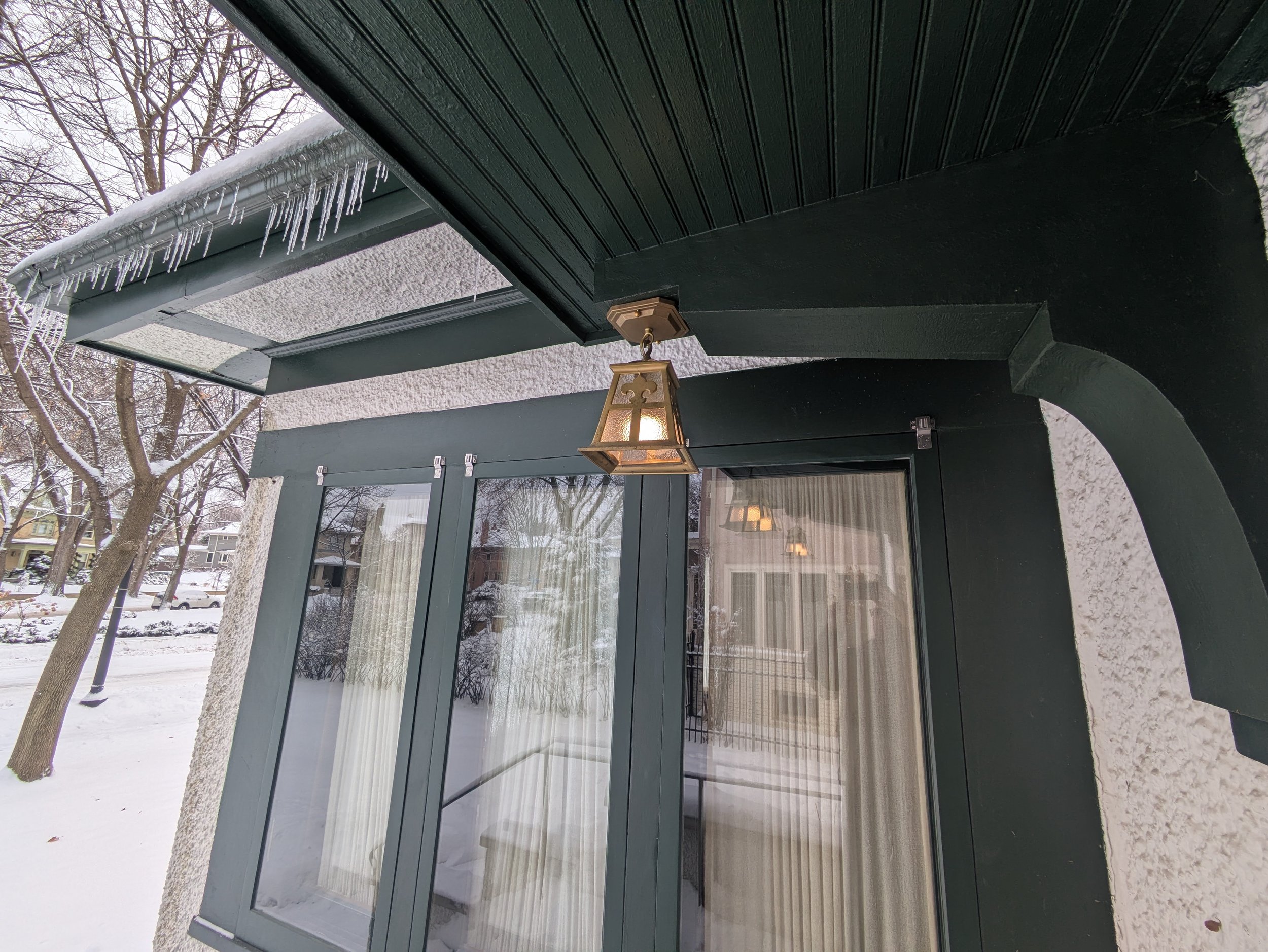
What Defines "Authentic" Architectural Salvage?
Before discussing where to look, it is crucial to understand what you are looking for. In a market flooded with vintage-style reproductions, true authenticity is defined by three factors:
Provenance: The item was removed from a historic structure, not manufactured in a factory to look old.
Material Quality: Authentic pieces often feature old-growth wood, solid cast brass, or iron, which are denser and more durable than modern equivalents.
Patina: Real salvage carries a history of use. Hand-worn finishes, oxidation on metals, and slight irregularities are signs of age that cannot be convincingly faked.
The 3 Primary Sources for Salvage in New York
Finding the right piece involves navigating three distinct types of sources. Each serves a different purpose for the New York buyer.
1. Local NYC Brick-and-Mortar Salvage Yards
New York City has several salvage yards scattered across the boroughs. These are the traditional "boneyards" of the industry.
Best For: Browsing on a whim and inspecting raw materials in person.
The Challenge: Due to the sheer volume of renovations in NYC, local inventory turns over incredibly fast. High-quality items are often "picked over" by contractors early in the morning. Additionally, because retail space in the city is expensive, prices can be high even for items that require significant restoration work.
2. Demolition Auctions
For the adventurous, salvage can sometimes be purchased directly from job sites or estate auctions.
Best For: Bargain hunters with construction experience.
The Challenge: This route is logistically difficult. You are typically responsible for the immediate removal of items. In a New York high-rise or brownstone, navigating insurance requirements and tight stairwells without professional movers can be a liability.
3. Specialized Dealers & Curated Collections (The Designer’s Choice)
Because local inventory is unpredictable, many top New York designers source from specialized national dealers who curate high-end historic elements. This bridges the gap between availability and quality.
Spotlight: Architectural Antiques
For projects requiring guaranteed authenticity and condition, Architectural Antiques serves as a trusted resource for New York clients. Unlike general salvage yards that sell "as-is" raw materials, Architectural Antiques focuses on curated elements that are ready for installation.
Why New York Designers Source Here:
Curated Quality: Rather than digging through piles of debris, clients gain access to a selection vetted for quality, historical significance, and structural integrity.
Restoration Services: Many salvaged finds require work before they can be installed. Architectural Antiques offers expert restoration, particularly for antique lighting and hardware, ensuring pieces are ready for modern use.
Reliable Logistics: Shipping a 200-pound cast-iron mantel to a Manhattan apartment requires expertise. Architectural Antiques provides secure crating and freight coordination to ensure safe delivery to New York.
The NYC Reality Check: Logistics and Installation
Sourcing the item is only half the battle. To successfully integrate salvage into a New York home, you must consider the specific constraints of the city’s buildings.
1. The "Elevator vs. Stairwell" Test
In many New York apartments, the limiting factor is not the room size, but the entry point.
Doors & Mantels: Before purchasing a grand entry door or an oversized mantel from Architectural Antiques, measure the diagonal of your elevator and the clearance in your stairwell.
The Solution: If access is tight, consult with the dealer about crating options or whether a piece can be disassembled for transport.
2. Lighting and UL Certification
New York City has strict electrical codes. While a vintage chandelier adds incredible character, it must be safe.
The Risk: Installing original wiring in a pre-war co-op can void insurance policies or cause inspections to fail.
The Solution: Architectural Antiques operates a professional light shop that restores and rewires antique fixtures. This ensures that the chandelier you choose is not only beautiful but also compliant with modern safety standards.
3. Landmark Preservation Commission (LPC) Rules
If you live in one of New York’s historic districts (like Brooklyn Heights or the West Village), exterior changes are regulated.
The Requirement: Replacing front doors, ironwork, or exterior lighting often requires LPC approval.
The Advantage: Authentic architectural salvage is often preferred by the LPC over modern reproductions because it maintains the neighborhood's historic fabric.
Why It Matters: Sustainability & Aesthetics
Beyond the visual impact, choosing authentic salvage is a commitment to sustainable design.
Environmental Impact: Reusing historic building components reduces demolition waste, a significant issue in dense urban areas like New York, and eliminates the manufacturing footprint of new products.
Design Depth: Whether used in a period-correct brownstone restoration or as a contrasting element in a modern glass-box condo, salvage adds a layer of depth and storytelling that "new" materials cannot.
Final Thoughts
Authentic architectural salvage is the bridge between New York’s past and its future. While finding the perfect piece requires effort, knowing where to look makes all the difference.
By sourcing from trusted experts like Architectural Antiques, designers and homeowners can bypass the uncertainty of the salvage hunt and focus on what matters: bringing history home, safely and beautifully.
FAQs
-
Authentic architectural salvage consists of original building materials removed from historic structures. These pieces were manufactured during the period they represent and exhibit signs of age, including natural patina, handcrafted workmanship, and solid materials. Reproductions are newly made and lack the historical construction methods and aging found in genuine architectural salvage.
-
Yes. Architectural salvage is commonly used in New York brownstones, townhouses, and pre-war apartments to maintain historical accuracy. Original doors, lighting, hardware, and millwork allow renovations to match the building’s era while preserving its architectural integrity.
-
Architectural salvage can be safely used in modern homes when properly restored and installed. UL-certified professionals should rewire items such as antique lighting fixtures, and structural elements must be evaluated for condition and compatibility with current building codes.
-
Many designers source architectural salvage through experienced dealers with nationwide inventories. Online architectural salvage dealers offer a broader selection than local salvage yards and provide professional restoration and shipping services tailored for New York projects.
-
Architectural salvage supports sustainable design by reusing existing materials instead of producing new ones. This reduces landfill waste from demolition and lowers the environmental impact associated with manufacturing. Reclaimed architectural elements also preserve craftsmanship that cannot be replicated today.