Sustainable Design Starts with Salvage: Why Reclaimed Antiques Are the Future of Green Interiors
Sustainable interior design goes beyond choosing items labeled as eco-friendly. It focuses on reducing waste, lowering resource use, and creating interiors that support long-term environmental health. Many conventional interiors rely on new materials that require energy, chemicals, and transportation, which increases their carbon footprint.
Modern green design principles emphasize circular systems. This means keeping materials in use for as long as possible instead of discarding them. The circular economy model supports reuse, repair, and restoration, making it a natural partner to reclaimed antiques. By working with sustainable materials that already exist, homeowners create eco-friendly interiors that save resources and reduce environmental impact.
Why Reclaimed Antiques Deserve a Place in Modern Sustainable Design
Reducing the Carbon Footprint of Home Furnishing
New furniture typically requires manufacturing, finishing, packaging, and shipping. Reclaimed antiques avoid these steps because they are already made. This can help reduce the environmental footprint associated with new production.
Local salvage sourcing adds another benefit. Many reclaimed pieces come from regional buildings or suppliers, which may reduce the distance they need to be transported to a home.
Extending the Life Cycle of Quality Materials
Many antiques were originally made from durable hardwoods, forged metals, and solid construction techniques. These materials tend to age well and can often be restored for continued use.
Choosing well-crafted reclaimed pieces supports long-term use, reducing the need to replace furnishings frequently. This approach aligns with interior design practices that prioritize longevity.
Combatting the Fast Furniture Crisis
Fast furniture contributes to rising landfill volumes each year. Many manufactured items contain composites, glues, and synthetic materials that break down quickly or cannot be recycled.
Salvage offers a long-term solution. By reclaiming and reusing historic pieces, homeowners divert waste and reduce demand for disposable alternatives. This supports furniture waste reduction while promoting sustainable alternatives that outperform mass-produced designs.
The Beauty of Salvage: Character, Craft, and Cultural Preservation
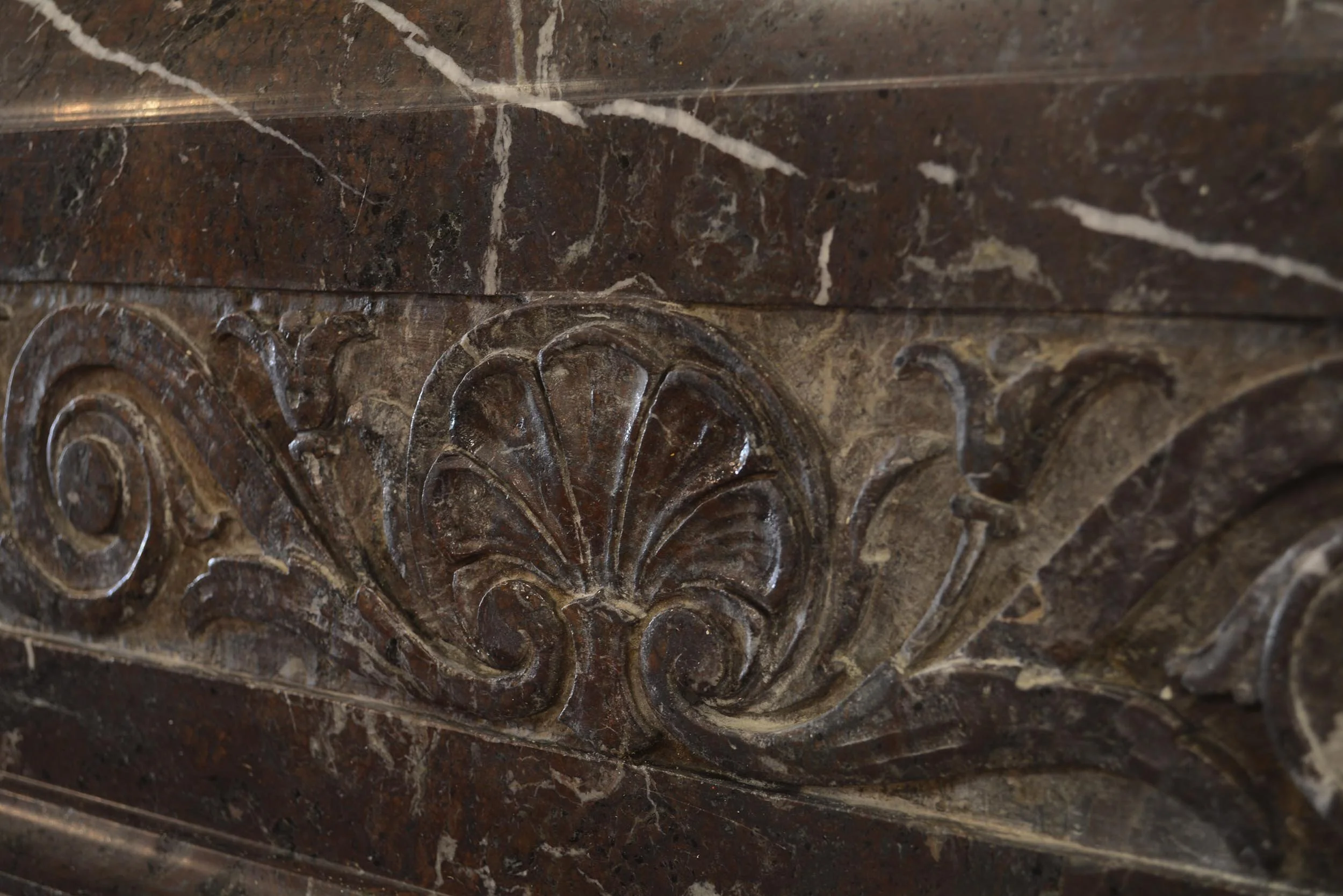
Salvaged architectural items add meaning and history to a space. Their craftsmanship and attention to detail reflect the design approaches of different eras.
Popular salvage elements include:
Doors and door surrounds
Fireplace mantels
Antique windows and stained glass
Wooden beams and structural elements
Iron or brass hardware
How Salvaged Antiques Add Texture and Timelessness
Patina and natural aging create visual texture that complements modern finishes. Antique layering techniques help build depth and character.
Design qualities antiques bring:
Aged finishes with natural variation
Warmth and richness
A sense of history
Balance for minimalist interiors
How to Integrate Reclaimed Antiques Into Modern Interiors
Start with Statement Salvage Pieces
One significant reclaimed element can set the tone for a room. Statement pieces work well as focal points and can guide the rest of the design.
Examples include:
Reclaimed fireplace mantels
Oversized doors
Architectural fragments or carved details
Mix Old and New for Balanced Interiors
Combining modern furnishings with antique elements creates contrast and balance. Matching colors, materials, or finishes can help tie the room together.
This approach supports a blend of contemporary and traditional styles, adding character without overwhelming the space.
Repurposing Salvage for Functional Design
Reclaimed materials can take on new functions in the home. Many items lend themselves well to creative repurposing.
Examples include:
Corbels used as shelf brackets
Antique doors turned into wall panels or headboards.
Metal grates repurposed as lighting features.
These ideas show how salvage can support functional design while giving new life to older materials.
Sustainable Materials vs. Salvaged Antiques: A True Comparison
Energy and Resource Savings
New sustainable materials still require energy to create. This includes harvesting, manufacturing, and finishing. Even eco-friendly products carry embodied carbon from these processes.
Reclaimed materials outperform newly manufactured options because they avoid this entire cycle. Using what already exists reduces environmental strain and supports the use of reclaimed materials over new ones.
Durability and Craftsmanship Advantages
Historic craftsmanship relied on time-tested construction methods. Many antiques were made by skilled artisans using natural hardwoods or forged metals.
These heritage materials last longer and maintain their integrity through decades of use. Quality-built interiors benefit from this durability, which reduces the need for frequent replacements.
The Environmental and Ethical Benefits of Choosing Salvage
Supporting Local Salvage Businesses
Purchasing reclaimed antiques supports independent salvage businesses and local tradespeople. These businesses rescue architectural elements, restore them, and keep them in circulation.
This strengthens community connections and promotes ethical interior design. Local sourcing also reduces transportation emissions and supports regional economies.
Preventing Demolition Waste
Construction and demolition produce massive waste streams each year. Salvage interrupts this pattern by recovering usable materials before buildings are torn down.
This process, known as deconstruction, encourages waste diversion and helps preserve valuable resources. Every reclaimed piece prevents another item from entering the landfill.
Real Examples of Salvage in Sustainable Design
Salvage plays a significant role in many modern interior projects. Designers use reclaimed wood beams to warm contemporary homes. Restored mantels add detail to minimalist living rooms. Antique lighting becomes the unique focal point in kitchens or entryways.
Before-and-after transformations reveal how reclaimed architectural elements elevate a space. These case studies highlight the creative possibilities and show how reclaimed interior projects can inspire future design choices.
How to Shop for Reclaimed Architectural Antiques
What to Look for in Quality Salvage Pieces
Quality salvage begins with authenticity. Look for original materials, strong construction, and consistent patina. Examine joints, hardware, finishes, and structural integrity.
Antique evaluation should consider age, condition, and potential for safe use in a modern interior. These quality salvage tips help buyers make informed choices.
Where to Find Architectural Salvage
Architectural Antiques offers curated reclaimed doors, lighting, mantels, woodwork, and more. Sourcing through a trusted architectural salvage store ensures quality and proper preservation.
Explore salvage categories such as:
cabinetry
woodwork
doors
windows
mantels
plumbing
Designing a Future That Honors the Past
Design trends continue to move toward circularity and reuse. Homeowners want a décor that feels personal, meaningful, and long-lasting. Salvage supports these goals while offering environmental benefits.
The shift toward sustainable style trends demonstrates how reclaimed materials will influence the future of interior design. Salvage provides character and longevity in a time when disposable products are losing appeal.
Final Thoughts: Salvage as a Foundation for Sustainable Living
Reclaimed antiques offer more than décor. They highlight craftsmanship, preserve existing materials, and add character to modern interiors.
By thoughtfully incorporating reclaimed wood, vintage doors, antique lighting, and salvaged architectural pieces, you can create a warm, meaningful home that feels personal and unique.
Whether the goal is subtle charm or a strong design statement, reclaimed elements provide countless ways to add depth and individuality. Salvage allows you to shape your living space with pieces that carry history and lasting appeal.
Ready to explore a more thoughtful way of decorating? Reclaimed antiques bring authenticity, texture, and timeless style into every room.
FAQs
1. Are reclaimed antiques really sustainable?
Yes. Reclaimed antiques use existing materials, which reduces the need for new manufacturing. This helps lower resource use and supports interior design practices that prioritize reuse.
2. How do I use reclaimed antiques in a modern home?
They can be used as statement pieces, incorporated through lighting or hardware, or repurposed as shelves, doors, or wall features. Mixing antiques with modern furnishings creates contrast and balance.
3. Is reclaimed furniture durable?
Many reclaimed pieces were originally made from solid hardwoods and metals. These materials are strong, repairable, and suitable for long-term use when properly maintained.
4. Can salvaged architectural pieces be safely used in new construction?
Yes, in most cases. Many reclaimed elements, like doors, mantles, and hardware, can be integrated into modern builds. It’s essential to check structural conditions and consult a professional when needed.
5. How do I maintain antique or reclaimed furniture?
Use gentle cleaning methods, avoid harsh chemicals, and check joints or hardware for stability. Occasional professional restoration can help preserve the piece for long-term use.