From Doorways to Mantels: The History and Design Legacy of European Architectural Antiques
When people think about timeless design, they often picture clean lines, modern materials, or contemporary craftsmanship. Yet one of the richest ways to add depth to a space comes from the past itself. European architectural antiques bring the character of centuries into modern homes through elements shaped by history, the work of skilled artisans, and old-world materials.
At Architectural Antiques, we believe these pieces do more than decorate a room. They preserve cultural heritage and offer homeowners the chance to create interiors rooted in authenticity, artistry, and story.
What Are Architectural Antiques? A Clear Definition
Architectural antiques are original building elements from past eras that were later salvaged for reuse. These pieces come from homes, estates, public buildings, and churches across Europe.
Characteristics That Distinguish Architectural Antiques
Architectural antiques retain:
Traditional hand-carving
Timeworn patina
Durable old-world construction
Materials that often no longer exist in modern fabrication
Their weight, detail, and craftsmanship separate them from modern decorative pieces.
How Architectural Salvage Differs from Reproductions
Reproductions may mimic the look of old elements, but they lack age, historic materials, and artisan craft. Salvaged items are authentic. Marks, joints, wear, and tool impressions help verify their origin. This authenticity increases their historic and design value.
Why European Architectural Antiques Are Especially Sought After
Europe preserved centuries of building traditions. Old-growth oak, dense limestone, hand-forged ironwork, and classical carving styles reflect craftsmanship rarely seen today. These heritage materials make European architectural antiques desirable for collectors, designers, and homeowners.
A Brief Historical Timeline of European Architectural Antiques
Medieval and Gothic Structural Elements
Medieval builders used carved stone columns, pointed arches, and wrought ironwork to create strength and symbolism. Many pieces still carry chisel marks and soot from centuries of use.
Renaissance and Baroque Ornamentation
Renaissance design introduced harmony and classical motifs. Carvers shaped sculpted oak, scrollwork, and hand-carved mantels. Baroque artisans expanded that style with bold curves, gilding, and dramatic stonework.
Rococo, Regency, and Neoclassical Influences
Rococo design favored delicate ornament and flowing forms. Regency and Neoclassical movements later embraced symmetry, refined carving, and balanced proportions. These details still complement modern interiors.
Victorian and Industrial-Era Architectural Details
Victorian architecture introduced cast-iron grilles, stained-glass windows, and decorative hardware. Industrial-era buildings added reclaimed beams, machine-made details, and practical elements that remain useful today.
Signature Pieces Found in European Architectural Antiques
Antique Doors and Entrances
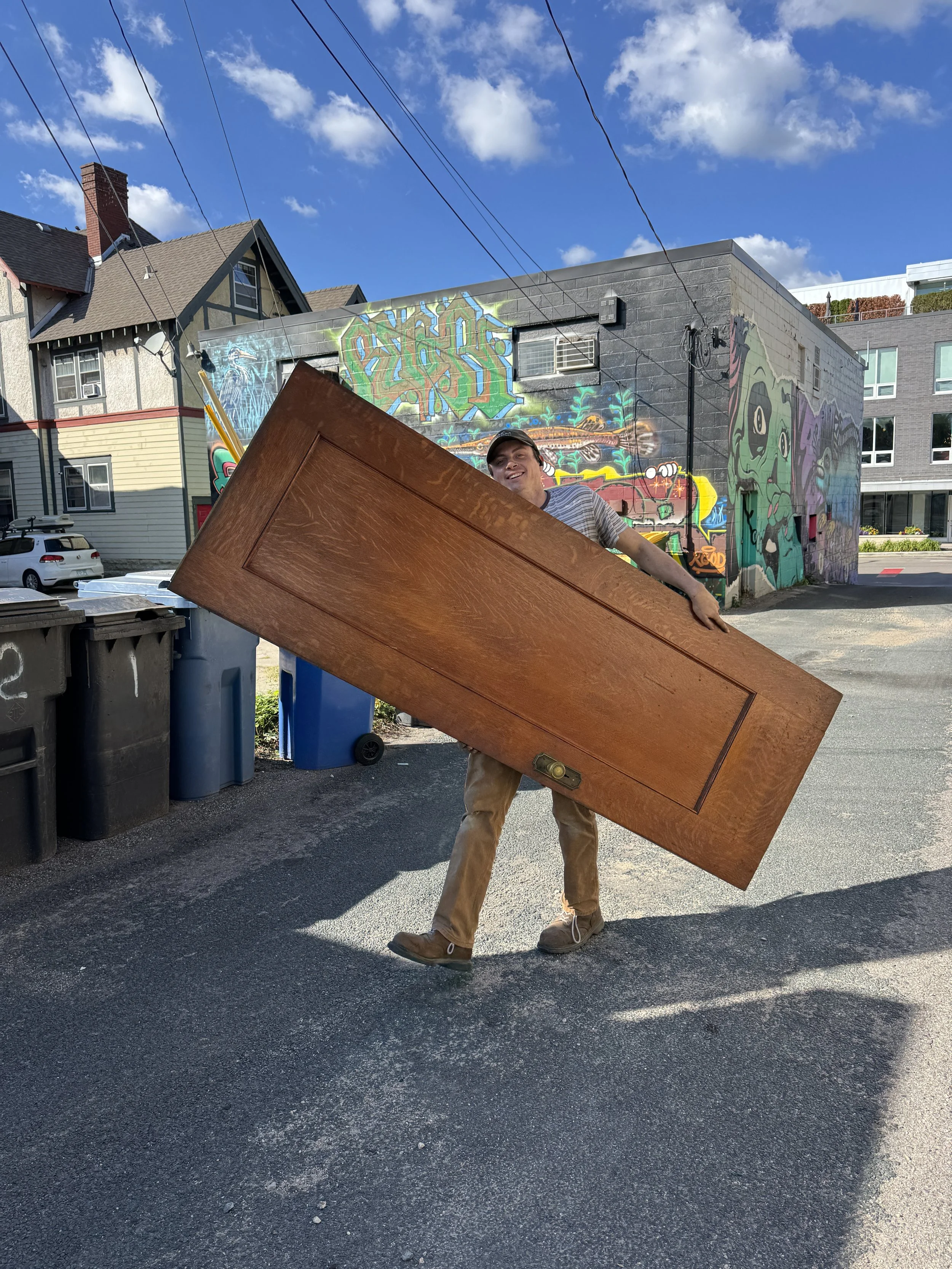
Historic French, Italian, and English entryways are among the most collected pieces. Many feature carved panels, ironwork, and original hardware that add depth and permanence to any space.
Stone and Wood Fireplace Mantels
French limestone mantels and Carrara marble surrounds are known for their sculpted lines and natural beauty. Wooden mantels carved from old-growth oak or walnut bring warmth and texture to the home.
Windows, Ironwork, and Railings from Historic Estates
Hand-forged railings, decorative window frames, and balcony panels offer both function and European charm.
Columns, Corbels, and Structural Supports
Stone columns, carved corbels, and timber supports reflect the strength and technical skill of past builders.
Decorative Interior Elements
Ceiling medallions, wall panels, and hand-turned balustrades were staples of grand European interiors. These elements help create period character in both historic and modern homes.
The Craftsmanship Behind European Architectural Antiques
Old-growth oak, limestone, and hand-forged metals form the foundation of many European architectural antiques. These materials are denser and stronger than most modern alternatives, allowing them to endure centuries while developing a natural richness and depth that cannot be manufactured today.
Historic artisans shaped each element by hand, using chisels, simple tools, and practiced skill. Their work was guided by experience rather than machines, giving every carving, joint, and detail a character that feels personal and intentional. This craftsmanship is part of what makes these pieces so distinctive.
Over time, wear and patina enhance the beauty of architectural antiques. Signs of age, softened surfaces, and natural color changes add authenticity and express the history each piece has lived through. These imperfections are not flaws but features that elevate the value and story of authentic European antiques.
The Journey of Salvage — How Architectural Antiques Are Recovered
Preservation During Building Restoration or Demolition
When historic buildings are remodeled or removed, salvage teams recover architectural elements before they are lost. Careful removal protects both structure and detail.
Ethical Salvage and Conservation Practices
Responsible salvage avoids harming protected sites. Teams work with local authorities to ensure every piece is legally and respectfully preserved.
Restoration Techniques Used Today
Restoration focuses on stabilizing and preserving original materials through:
Light cleaning
Stabilization
Patina preservation
Structural repair
The goal is to maintain authenticity rather than erase history.
How Architectural Antiques Influence Modern Interior Design
Architectural antiques play a powerful role in shaping modern interiors. Antique mantels, whether carved from stone or wood, immediately create a focal point that adds warmth and history to contemporary rooms. Their presence softens clean lines and minimalist layouts, giving spaces depth and balance.
Reclaimed European doors are also popular in modern design. They can function as entry doors, sliding panels, room dividers, or statement décor pieces. Their scale, craftsmanship, and rich patina introduce characters that manufactured doors cannot match.
Salvaged stonework, beams, and carved supports bring structure and soul into new homes. These elements connect sleek materials like glass, steel, and concrete with natural textures and old-world charm. Even a single reclaimed beam or stone capital can transform the feel of a space.
Minimalist interiors benefit from subtle antique details. One strong piece, such as a carved mantel or a historic door, adds personality without overpowering the room's simplicity. Designers also value provenance and authenticity because these qualities add meaning and long-term value.
Architectural Antiques for Restoration and New Construction Projects
Homeowners renovating historic buildings use salvaged pieces to preserve accuracy. Matching stone, wood, and ornamentation creates a cohesive design.
New builds gain immediate character with antique elements. A reclaimed door or mantel brings depth and story from the beginning.
Architectural antiques add charm and uniqueness to any property. Homes with authentic materials often attract higher interest and long-term value.
Sourcing Authentic European Architectural Antiques
What to Look for When Buying Architectural Antiques
Buyers should review materials, carving details, weight, construction methods, and signs of genuine aging. Quality antiques feel substantial and crafted.
Understanding Provenance, Documentation, and Condition
Provenance and condition reports help verify authenticity. Documentation supports long-term value, especially for high-value pieces.
Why Working with a Specialist Dealer Matters
Specialist dealers curate collections, verify authenticity, and restore each piece with care. Their expertise ensures buyers receive true heritage elements.
European Architectural Antiques at Architectural Antiques
Our collection includes French limestone mantels, carved Italian doors, historic ironwork, and vintage lighting. Each piece is selected for its quality, history, and design merit.
We collaborate with trusted partners across Europe to recover original architectural elements. Our restoration team works carefully to preserve patina, structure, and craftsmanship.
We support projects of all sizes. Whether you need a single mantel or several reclaimed doors, we help you find pieces that match your style and vision.
Our Minneapolis showroom features a wide range of European architectural antiques, and new arrivals are always available through our online catalog.
Final Thoughts: Preserving History Through Design
Architectural antiques are more than decorative accents. They capture centuries of craftsmanship, protect valuable materials, and bring depth into modern homes.
By introducing reclaimed doors, antique mantels, salvaged stonework, and other historic elements, you create interiors that feel grounded, meaningful, and unique to your space.
Whether your style leans toward subtle texture or bold focal points, architectural antiques offer endless ways to enrich your environment with history and authenticity.
Ready to bring true character into your home? European architectural antiques add heritage, craftsmanship, and timeless beauty to every room.
FAQs
1. How do I know if an architectural antique is authentic?
Authenticity is determined by examining materials, tool marks, aging patterns, construction methods, joinery, and provenance. Original patina, wear, and craftsmanship that reflect the piece’s age also help verify it.
2. Are antique mantels safe to use with modern fireplaces?
Yes, antique mantels can be used with modern fireplaces when installed by professionals. A proper safety assessment ensures adequate clearance and compatibility with current firebox systems.
3. How old are most European architectural antiques?
Many European architectural antiques range from 100 to 400 years old. Elements such as stone, ironwork, and heavy timbers can be even older, depending on their origin and architectural period.
4. What makes European architectural salvage so valuable?
European salvage is valued for its old-growth materials, craftsmanship, and centuries of history. Hand-carved stone, forged iron, and dense hardwoods are difficult to reproduce today, which increases their design and collectible value.
5. Are architectural antiques environmentally friendly?
Yes. Reusing historic building materials reduces landfill waste, limits the production of new materials, and supports sustainable design. Architectural salvage is considered an eco-friendly source for interior materials.